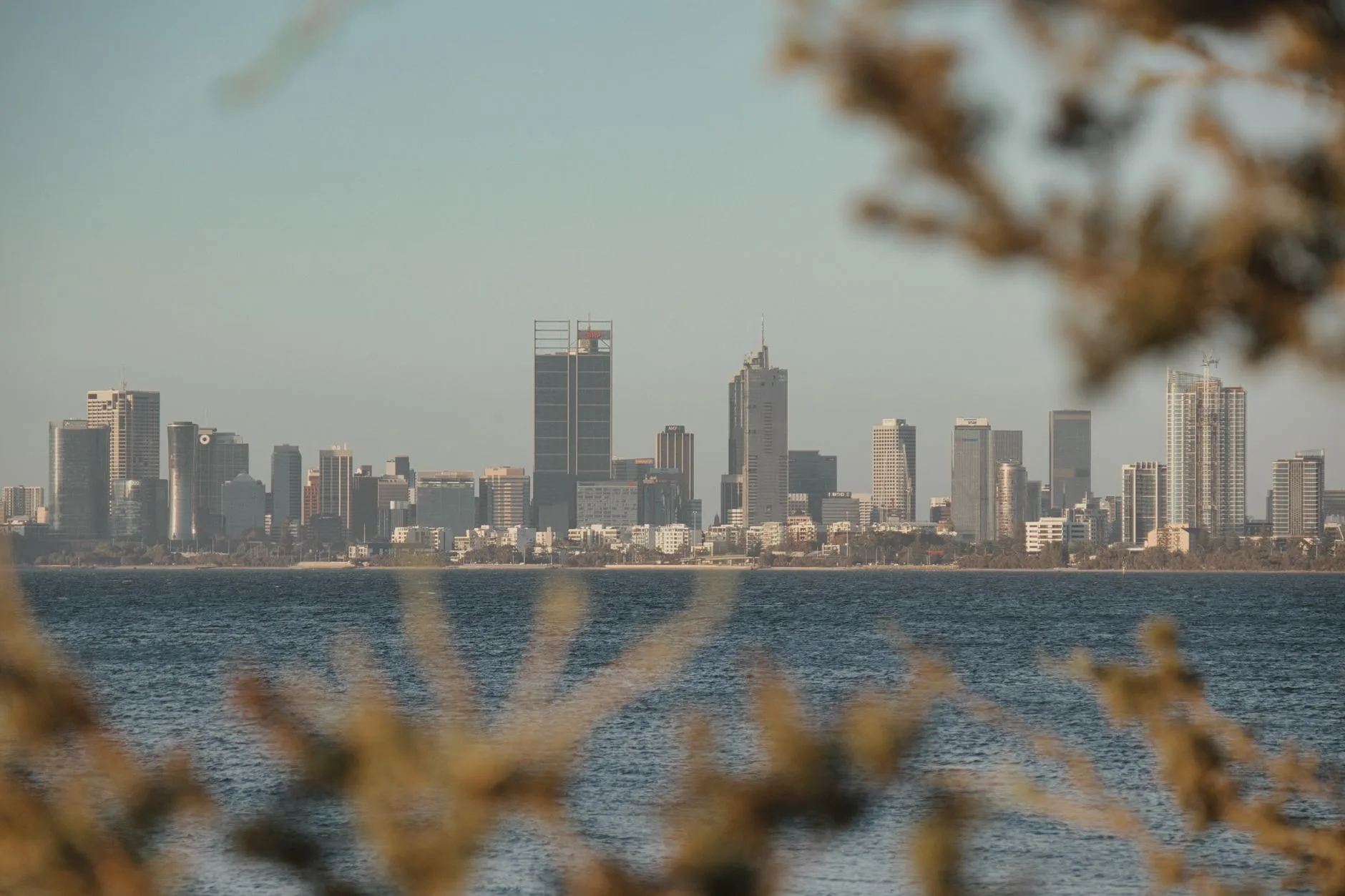
FCM's first-half booking data puts two intrastate routes at 43 per cent
FCM Travel's booking data for the first half of 2026 puts Western Australia higher in the corporate mix. Travel Daily reported the figures on 9 October 2026. The book covers flights FCM booked into Perth, the Goldfields and regional Western Australia.
Broome-Perth and Kalgoorlie-Perth each rose 43 per cent on that data. Travel Daily places Broome-Perth first and Kalgoorlie-Perth behind it on the same figure, so the two routes read level at that precision.
Adelaide-Melbourne rose 24 per cent. FCM also records growth on the routes linking Brisbane, Melbourne and Adelaide to Perth, with no published figure beside any of them.
The Golden Triangle routes FCM booked less
Brisbane-Melbourne fell about 7 per cent year on year. Melbourne-Sydney fell about 4 per cent and Brisbane-Sydney 2 per cent. Travel Daily places those three routes inside the Golden Triangle, the Brisbane, Melbourne and Sydney set.
FCM attributes the shift to the mining boom in the west. The report cites gold exploration spending in Western Australia at its highest level since records began in 1988.
What FCM says changed
Renos Rologas, general manager of FCM Travel ANZ, opens on the triangle. "For years, the Golden Triangle has carried the bulk of corporate travel because that is where the head offices, meetings and deals were," he said.
"Although the Golden Triangle remains strong in volume, this half, Western Australia showed that it is a genuine contender," he said.
"Business is following opportunity, not habit, and right now that opportunity is sitting in the ground out west," he added.
Mining, oil and gas sits as the most-booked sector nationally on the FCM books. The sector has moved ahead of government and not-for-profit travel on those volumes.
The route set a hotel commercial team reads
The route set names the city pairs that carry the corporate room nights. The growth sits on two Western Australian intrastate routes and on Adelaide-Melbourne. The three Golden Triangle routes carry the declines.
Four directions run through the set. Broome and Kalgoorlie sit on the intrastate legs out of Perth. Adelaide-Melbourne sits between two eastern capitals. The legs linking Brisbane, Melbourne and Adelaide to Perth sit between the east coast and the west. Perth, the Goldfields and regional Western Australia are the three arrival points the report names.
FCM publishes no room-night count, no average daily rate and no occupancy figure beside the route movement. The corporate demand read is therefore the route read, taken off the FCM booking book alone.
The Perth day-use shelf on 14 October 2026
FCM's report carries no day-use line. It states no hourly rate, no daytime window, no day-use occupancy and no revenue figure for a part-day slot.
Dayuse's Perth search returned 13 day hotels on 14 October 2026. The first page ran from US$86.12 to US$121.54 for a daytime slot. Eleven of the 13 cards carry a 4-star rating and two carry 3 stars. The window of 9:00 to 15:00 is the most common on the page, at four of the 13 cards. Every price there reads in US dollars.
Perth is the western arrival point the FCM report names. The route set gives the corporate demand read for the city, and the shelf gives the daytime inventory listed there.
What the report leaves open
The FCM figures are proprietary. Travel Daily's page carries them without a methodology note, a base-period value or a comparison figure for a single route. The gold exploration line arrives as the FCM stated reason for the shift, with no source attached to it in the report.
No property, brand or market reports a rate or occupancy movement on the back of the FCM data.