The Finding
A Mews survey of 3,250 travellers found that 89 per cent want either a hybrid stay that blends AI and human service or AI working quietly in the background on repetitive tasks. Almost none of the respondents want an AI-led stay. Mews released the survey on 7 October 2026 with a New York dateline.
The panel covers France, Germany, Italy, the Netherlands, Spain, Sweden, the United Kingdom and the United States, and the fieldwork ran in July 2026.
Where Guests Choose a Person
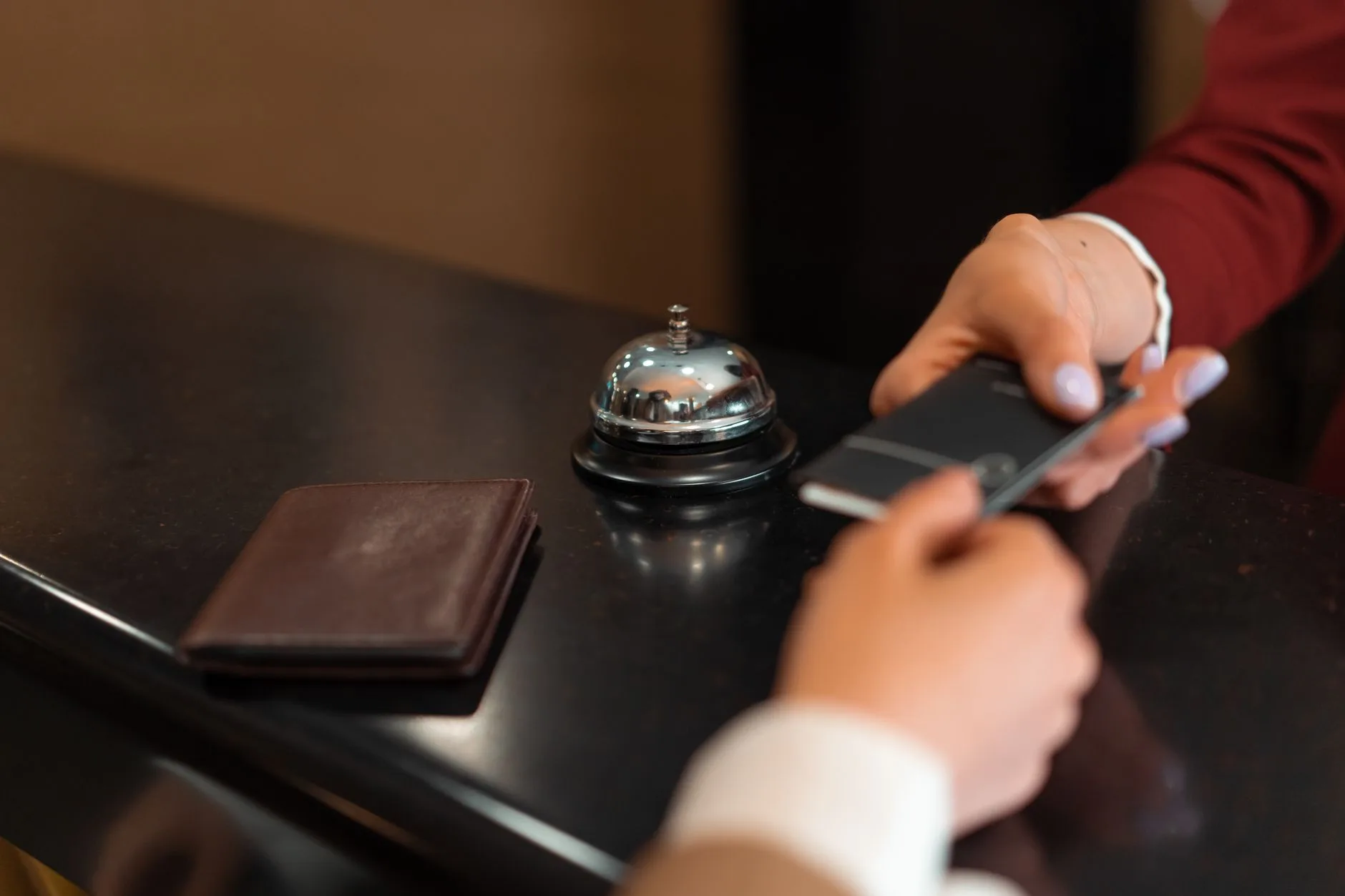
Respondents preferred a human at all nine touchpoints Mews tested. Bar and restaurant service drew the strongest preference, at 72 per cent for a person. The front desk welcome drew 66 per cent and check-in and key 58 per cent. Arranging taxis, the most automatable task in the set, drew 44 per cent for a human and 28 per cent for AI.
Room service orders came close to an even split at 50 per cent for a human and 23 per cent for AI. Fifty-nine per cent said AI should take over repetitive tasks so that hoteliers can focus on building trust with guests, and 75 per cent said good hospitality depends on human staff.
The Jobs Question
Sixty-seven per cent said they would worry about staff losing their jobs to AI. Fifty-one per cent disagreed with the statement that they would not care if a hotel cut staff to adopt the technology.
What Mews Says the Data Means
Mews founder Richard Valtr said the guests are telling the industry where they want AI and where they do not. "The hotels that win this next decade won't be the ones that automate the most," he said. "They'll be the ones whose systems are unified enough that AI can actually deliver a new way of operating, and where staff can get back to providing a genuine human experience."
The Sample
The survey covers 3,250 guests across eight countries with fieldwork in July 2026. Mews publishes the guest figures without a margin of error. The company reports 15,000 customers across 85 countries.
The Day-Use Lines the Survey Does Not Carry
The survey measures attitudes to service delivery. It reports no daytime or hourly revenue line, no day-use occupancy, no hourly rate and no revenue figure for a day room.
A daytime booking sells part of a room-day whose payroll, utilities and administrative cost are committed first. The slot rests on the window, the room and the equipment the guest buys, and the front desk welcome, the check-in and the room service questions the survey measures sit on that route in.
The Day-Use Shelf in the Survey's US Market
dayuse.com listed 2,559 day hotels across its United States pages on 14 October 2026, priced in US dollars. The first 50 cards ran from $54.00 to $199.00. Twenty-six of those cards carried three stars, 22 four stars and two two stars, and the windows that lead the set are 8 a.m. to 2 p.m. on 19 cards and 10 a.m. to 6 p.m. on 14.
The New York shelf, in the release's own dateline market, listed 119 day hotels on the same date. Its first 50 cards ran from $61.00 to $360.00, and the leading window is 10 a.m. to 4 p.m. on 17 cards.