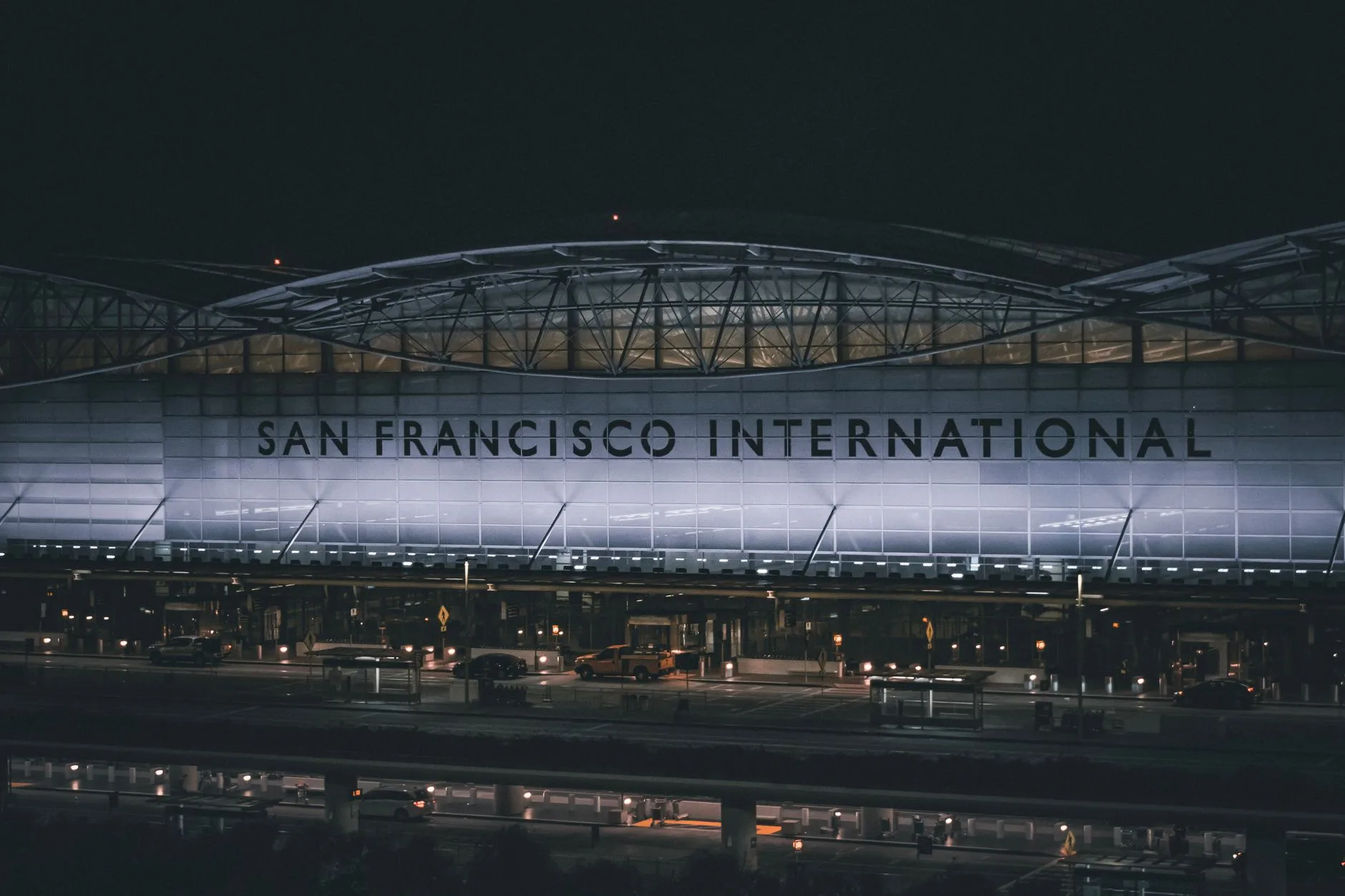
What Moves While the Work Runs
Terminal 3 West at San Francisco International Airport is a construction programme measured in years. The airport capital deck sources its figures to August 2025. It records the programme at 16 percent complete inside Ascent Program Phase 1.5 and estimates completion in 2029. The building work moves which demand reaches a corridor front desk. It also moves the timing.
Three dates divide the window. SFO release SF-24-31 sets the expanded concessions section for fall 2027, a new six-story building for early 2028, and a renovated check-in lobby on the eastern end of Terminal 3 for early 2029. An operator who prices the corridor against one reopening date will overrun the model in two of the three years.
The Corridor, Read by Municipality
The airport publishes its hotel courtesy shuttle roster. The page, updated 1 September 2026, lists 30 properties. Eleven sit in Burlingame, ten in South San Francisco, seven in San Bruno and two in Millbrae. Each property runs a free shuttle, and travelers are told to confirm availability at booking.
Pick-up and drop-off sit at the Hotel Courtesy Shuttle Zones. At Harvey Milk Terminal 1, Terminal 2 and Terminal 3 the zone is the centre island on the Departures and Ticketing Level roadway. At the International Terminal it is the centre island on the Arrivals Level roadway. The page states the shuttles serve hotels and carry no service to San Francisco.
Those 30 properties carry the airport transient trade. The airport fact sheet for fiscal year 2025 records 54,118,814 enplaned and deplaned passengers, 55 airlines and 7,226 nonstop departures per week. United holds 48.7 percent of seat share, and hub seat share concentrates connection traffic at one carrier. Connection traffic sits closest to a terminal rebuild.
The Fall 2027 Handback
The first handback is the concessions floor. Release SF-24-31 puts 200,000 square feet of additional space for food, beverage and retail inside a western half of 650,000 square feet under renovation. The airport's Terminal 3 project page bills 250,000 square feet of new space.
That date returns evening spend to airside. A guest with a late arrival and a morning departure leaves the terminal for a corridor bed and a corridor dinner today. A wider concessions programme gives that guest a reason to eat before the shuttle. Corridor properties with a restaurant should watch the dinner check first, ahead of any room-count movement.
The Early 2028 Handback
The second handback is the six-story building. Its tenants are airline lounges and operational office space.
Office tenancy inside a terminal generates weekday room demand on airline and project accounts. Lounge space gives the premium connecting passenger a place to hold a longer layover. Both effects land on the same midweek calendar. Corridor hotels with meeting space can sell against that base through 2028. Hotels built around weekend leisure carry a different midweek book.
The Early 2029 Handback
The third handback is the check-in lobby at the eastern end of Terminal 3. The release ties it to self-bag drop, new security checkpoints and a mezzanine checkpoint for AirTrain passengers. A Federal Inspection Service sterile connector into the International Terminal Customs Hall runs in the same programme.
This date moves passenger flow. Faster check-in and bag drop compress the time a guest needs before a flight. Corridor hotels that sell a day room or a late checkout around a departure should watch that number.
The Construction Years
Peak employment on the job runs 500 to 600 workers, and the airport targets more than $173 million in contracts to Local Business Enterprises. Turner built the interim corridors as 11 modules at a nearby air cargo yard and moved them across the airfield over 11 consecutive nights. The West Corridor runs 1,000 feet. The East Corridor runs 400 feet.
Crew and contractor room demand supports midweek occupancy at corridor properties through the build. It books on project accounts with fixed terms and rate caps. An operator who writes that business at a discount to transient rate carries the discount into 2029.
The Citywide Number Behind the Corridor
San Francisco Travel released its updated forecast on 26 August 2026 at the Visitor Impact Summit. The forecast puts citywide occupancy at 70.7 percent, up 5.2 percent year over year. Average daily rate comes in at $266.16, up 8.5 percent. Revenue per available room comes in at $188.06, up 14.1 percent. The association reports June as the best occupancy month in the city since the pandemic and forecasts a third straight year of growth in 2027.
Those figures are citywide. This record carries no occupancy, rate or RevPAR figure for the airport corridor or for any of the 30 shuttle properties. An operator pricing the submarket should read the citywide series as an indicator and commission a corridor read directly.
What an Operator Can Price Now
Three items are actionable. Contract lengths on airline and crew accounts can run to the 2029 completion. Meeting space can be positioned against the office tenancy the six-story building adds in early 2028. The interim corridor removal date appears in no source reviewed here, so a property planning a lobby or shuttle-stop change should request the date from the airport directly.