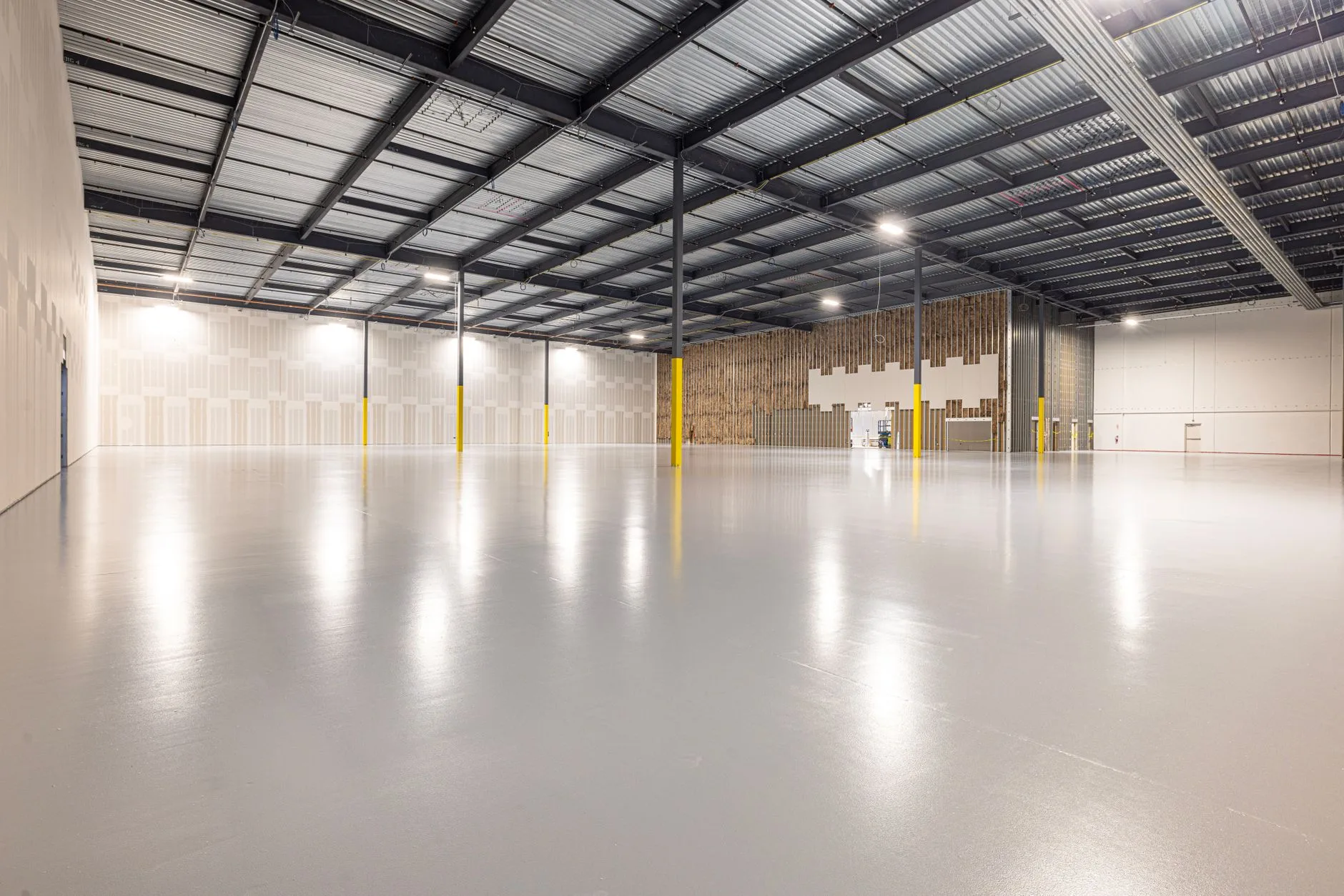
The August read
The Texas Hotel & Lodging Association published an operator analysis on 28 September 2026 on data centre construction and Texas hotel demand. Its August line reads that outside the major markets 74 percent of tracked markets grew RevPAR, and that ten Texas markets posted double-digit gains in a single week.
The line carries an asterisk. No footnote sits on the page, and no independent series publishes the same market count.
The association puts the demand in midscale and upper-midscale rooms, and names extended-stay and select-service properties as the segment taking it.
The project count and the dollar figure
A Texas Tribune analysis counted 335 existing data centres in the state and at least 248 in the works.
The dollar figure belongs to a different publisher. Industrial Info Resources put more than 89.5 billion dollars of data centre construction underway in Texas. The association's analysis credits the Tribune, which carries the project count.
Where the construction sits
The analysis names Abilene, Amarillo, Laredo, Milam County, Gray County and about twenty projects in the greater Austin area as in some stage of development.
Google announced a campus at Pampa in Gray County on 4 June 2026. It lists further Texas campuses in Armstrong, Haskell and Wilbarger counties.
Fermi America proposed its Project Matador campus in Carson County. Local reporting described a shrinking construction workforce and a pause at that site while the company awaited its final clean air permit. The Texas Commission on Environmental Quality granted the permit on 25 February 2026.
Abilene carries the largest named site. The analysis puts roughly 6,000 workers on the Stargate 1 campus, and a second Stargate campus is under construction in Shackelford County.
The end date
Construction generates the demand. Operation does not. The analysis reports Abilene's economic development agency at roughly 100 permanent jobs at the facility once it runs.
CoStar and Tourism Economics forecast U.S. RevPAR growth at 4.4 percent for 2026 and 2.1 percent for 2027, with ADR growth of 1.6 percent and GOPPAR of 1 percent in 2027.
What a crew contract needs
The analysis sets the operating differences between crew business and the business a hotel is built around. Stays run weeks or months. Arrivals follow shift schedules and project phases. Bookings arrive through contractors and staffing firms, so the rate is negotiated with a procurement contact.
Breakfast demand starts earlier. Housekeeping shifts when a guest stays three weeks, which lowers labour cost per occupied room and raises deep-clean turnover cost at the back end. Parking demand rises with vehicle size, and food and beverage, HVAC and laundry take more wear across four months of a blocked floor.
The analysis tells operators to price the contract on the cost base, to write firm minimum room-night commitments and clear terms in place of soft blocks, and to hold advance notice requirements on demobilisation. It tells operators to hold inventory for the accounts that will still trade in 2028.
The day-room shelf
Dayuse, which sells daytime windows, lists 43 day hotels across Texas at 13 October 2026. The day rates run from 55 dollars to 144 dollars. The inventory sits in Austin and its northern suburbs, in Fort Worth and Weatherford, and in Cedar Park, Killeen, Leander, Lubbock, Marble Falls, Wichita Falls and Graham.
Hilton Austin prices a day room at 127 dollars against a 263-dollar overnight rate. Hampton Inn & Suites Austin University/Capitol prices 102 dollars against 300 dollars. The Stephen F Austin Royal Sonesta lists 144 dollars against 150 dollars.
None of the 43 sits in Abilene, Amarillo, Laredo, Milam County or Gray County, so a crew market starts from an unlisted shelf on this platform.
The analysis gives one instruction for a daytime window, and it matches the overnight one: price the block off the cost base rather than the headline rate.