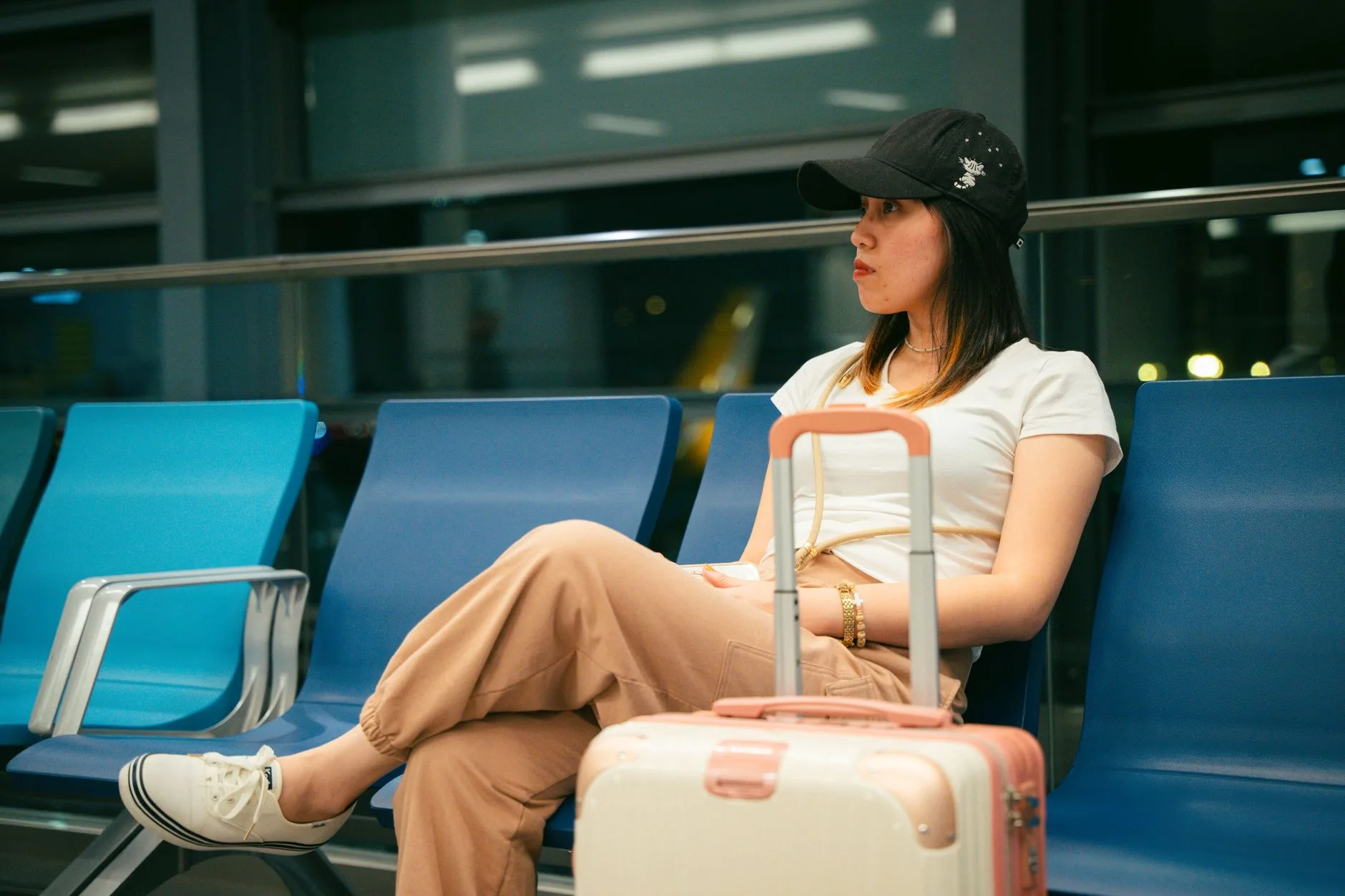
Seventy-three per cent of travellers report a major travel mishap. The failures have cost them nearly $2,500 USD on average. Eighty-five per cent said they changed how they plan and book trips afterwards. Talker Research carried out the survey for Aven Hospitality and published the release on 30 September 2026. Hotel Online republished it on 8 October 2026.
The most common failures were bad weather disrupting a trip at 26 per cent, illness or injury at 16 per cent, and a missing hotel amenity at 14 per cent. A phone or internet failure at a critical moment hit 14 per cent. Getting lost while travelling hit 14 per cent. Thirteen per cent booked accommodation that was falsely advertised.
The Sample and the Field Dates
Talker Research surveyed 2,000 American travellers, 1,000 British travellers and 1,000 Australian travellers. Every respondent had travelled in the previous 12 months and had internet access. The firm ran the survey online between 13 and 24 August 2026. The methodology block names the sample, the mode and the field dates, and carries no margin of error.
What Bad Property Information Cost
Travellers put $1,891 of their losses on information that was inaccurate or out of date when they booked a hotel, or on expectations the property did not meet on arrival. Fifty-one per cent tie their travel mishaps to a lack of accurate information at the planning and booking stage.
The loss estimates move by age. Millennials put their losses at $2,496. Baby boomers put theirs at $956.
The Amenity Claim a Day Booking Rests On
A daytime or hourly booking sells part of a room-day whose payroll, utilities and administrative cost are committed first. The slot also rests on a promise about the property itself. The guest buys the pool, the gym, the workspace and the address. The survey puts a missing amenity at 14 per cent, and falsely advertised accommodation at 13 per cent. The day-use listing is where a property states the window, the room and the equipment the guest is buying.
The Day-Use Shelves in the Survey's Three Markets
dayuse.com listed 2,560 day hotels in the United States, 874 in the United Kingdom and 289 in Australia on 14 October 2026. Those three countries hold the survey's whole panel.
The first 50 cards on the United States shelf ran from US$54.00 at Baymont by Wyndham Seattle/Kirkland WA to US$199.00 at Hotel Seville NoMad. Hyatt Grand Central New York listed US$159.00 on a 10am to 4pm window. New York Hilton Midtown listed the same US$159.00. Hampton Inn by Hilton Madison Square Garden listed US$91.00.
Where the Booking Lands
Forty-nine per cent of travellers book direct with the hotel, split between 36 per cent on a hotel website and 13 per cent on a hotel app. The release reads that split as a consumer preference for making the final transaction themselves.
AI in the Search and the Trust Gap
Sixty-seven per cent of travellers have used AI tools in their travel searches. Sixty-eight per cent have used AI to compare trip options. Fifty-nine per cent have used AI to book parts of a trip.
Trust divides on how far the tool should go. Seventy-five per cent would trust AI to recommend hotels that reflect a destination's perks, rules and amenities. Fourteen per cent trust AI to book a hotel stay on its own. Ninety-nine per cent plan to use AI in some form for travel planning, 71 per cent for recommendations and 28 per cent for recommendations plus booking assistance.
Who Paid for the Study
Noreen Henry, Aven Hospitality's chief revenue officer, said travel planning runs across transport, routes, accommodation, amenities, activities and dining. "With so many sites, reviews and recommendations to sort through, travel planning can quickly become overwhelming," she said. She added that one inaccurate detail can have a ripple effect on the entire trip.
Aven Hospitality commissioned the research. Aven's own site describes the company as formerly Sabre Hospitality and counts 35,000 hotels on its systems. Henry is the named source for both quotes in the release, and she said hotels also carry a role in keeping the information travellers see about their properties, amenities and policies accurate.
What the Release Does Not Carry
The loss figures rest on what travellers say they spent. The release carries no independent measurement of them. Aven Hospitality sells the booking and property-information technology the survey measures demand for.