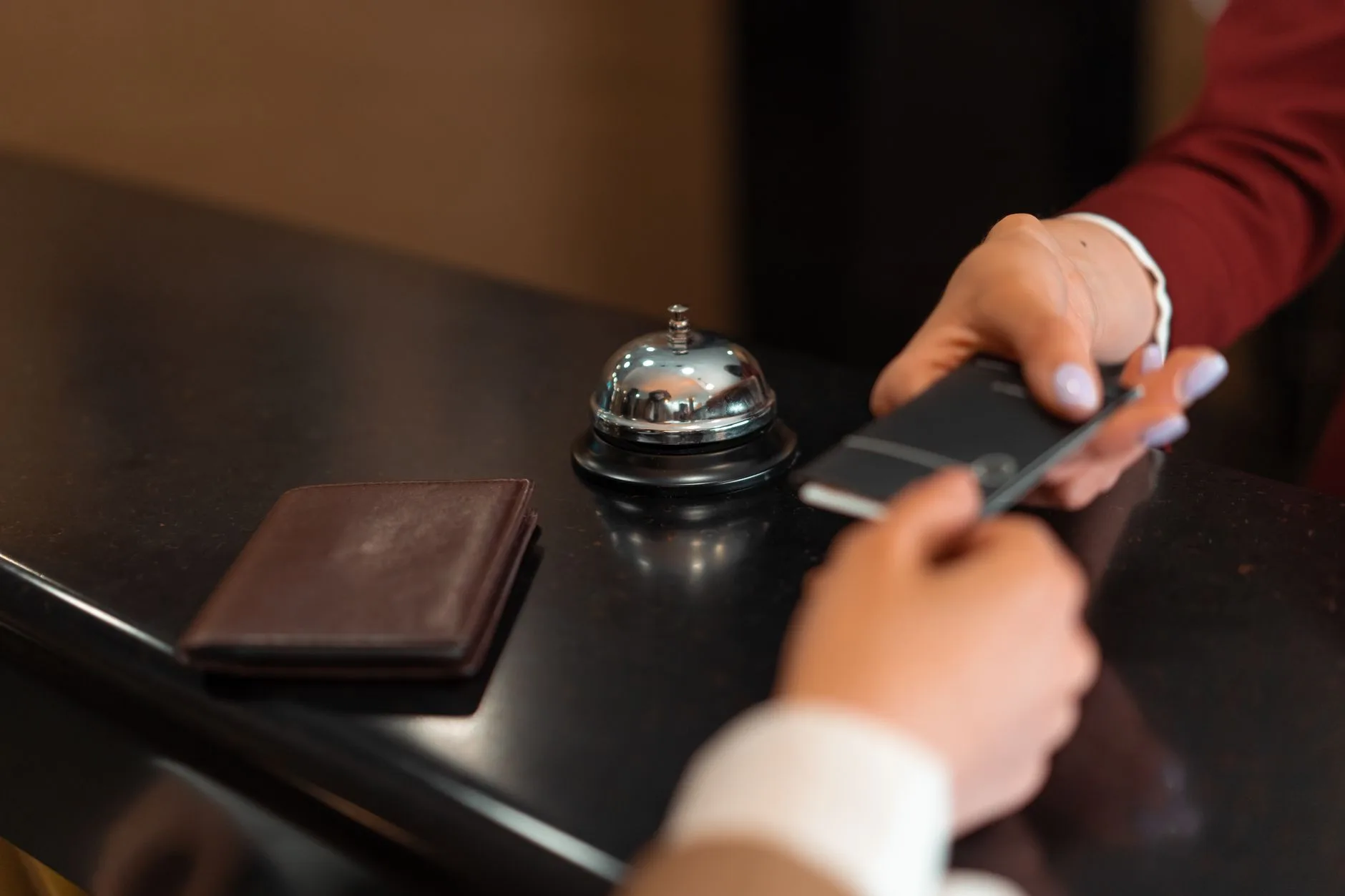
Booking.com surveyed 500 senior decision-makers across UK hotels, resorts, serviced apartments and B&Bs. Short Term Rentalz reported the findings on 14 October 2026, with fieldwork dated 11 to 16 September 2026. Sixty-two per cent of respondents said they had seen guests abandon a booking when their preferred payment method was unavailable.
Booking.com has published no dataset, no questionnaire and no methodology note for the study. Every percentage below is the company's own count, reported through that trade article.
The payment figures
Sixty-seven per cent said travellers were less willing to complete a reservation without their preferred payment option. Eighty-seven per cent reported growing expectations around digital wallets, and the article names Apple Pay and Google Pay.
Seventy-one per cent said international guests look for the payment methods they use at home. Booking.com names Alipay, WeChat Pay and Pix as examples. Those three cover Chinese, broader Asian and Brazilian rails, three different settlement paths behind one booking button.
Eighty-four per cent said a wider choice of payment methods had helped them secure additional bookings. Thirty-four per cent believed that accepting more domestic and international options could raise revenue by more than 20 per cent. That last figure is a stated belief about potential, and the article publishes no measurement behind it.
Where a payment method costs a booking
The payment step sits at the end of the flow, after the guest has chosen the room and the rate. A guest who leaves at that point has already spent the search and the decision. Sixty-two per cent of the sample connects that exit to the method list.
The operator work runs in three places. The first is the method list on the property's own booking engine, which most properties control directly or through a payment provider. The second is the timing of the charge, because a deposit, a prepayment and a pay-at-property booking each ask for a different instrument. The third is the currency and the issuer market, because a guest paying with a home-market wallet settles through a different rail than a domestic card.
Deposits raise the stakes on all three. A property that takes a deposit at booking asks for payment at the moment the guest is least committed and most likely to abandon.
The AI figures in the same study
Daily AI use across the sample rose from 32 per cent in 2025 to 66 per cent in 2026. Booking.com reports both years against the same survey, and no prior edition of this UK study is published.
Among respondents already using AI, 45 per cent apply it to guest-feedback analysis and 40 per cent to translation and communication with international guests. Seventy-four per cent expected AI-powered fraud detection and cybersecurity to have a meaningful effect on their business within three years. Seventy-one per cent said the same about AI-driven revenue management.
Translation and payment acceptance address the same guest. A traveller who books in Portuguese and pays with Pix completes one reservation, and the language layer and the payment layer usually sit in different systems at a property. The study reports the two capabilities as separate items.
The 2027 opportunity line
Seventy-seven per cent viewed growth in international travel as an opportunity for 2027. Twenty-eight per cent named meeting the different expectations of overseas travellers as one of their greatest conversion challenges.
Carlo Olejniczak, vice president and managing director for EMEA at Booking.com, said: "There's a real opportunity for UK accommodation businesses to welcome more guests from around the world next year, but reaching someone thousands of miles away, understanding what they expect and ultimately turning that interest into a booking isn't always easy."
What the research does not publish
The article carries no merchant-fee data, no cost per additional method and no conversion rate by method. It reports no day rate, hourly rate or minimum stay for any inventory, because the subject is the payment step. A property reading the summary can size the expectation and not the price of meeting it.
What a hotel can check this week
Run the property's own booking flow on a phone with a European wallet and again with a domestic card. Record where each flow stops and which method the page offered first.
Compare the method list against the markets the property sells to, using the property's own guest-country report. A property whose top three source markets include Brazil and China can test whether Pix and Alipay appear at checkout before it commissions any work.
Price the gap on the property's own abandonment data. The study puts 34 per cent of respondents at a belief of more than 20 per cent revenue upside from a wider method list, and a property can compare that belief against its own recorded drop-off before it buys a payment integration.
The study reports what UK accommodation businesses say they see. It names no property, no chain and no measured conversion result.