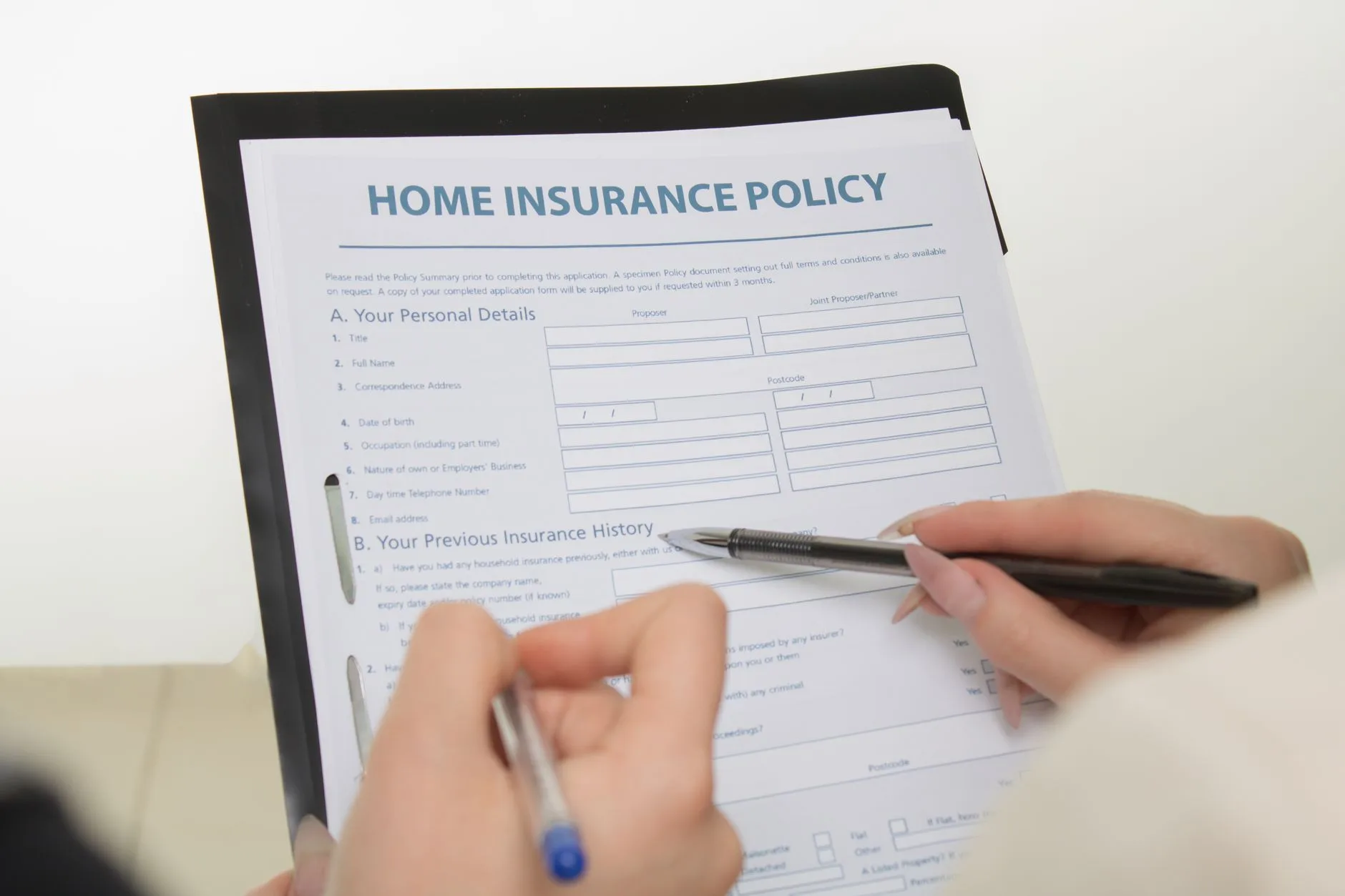
Insurance premiums sit among the largest financial pressures hotel owners report. Forty-three per cent of owners named premiums in a March 2026 survey by the American Hotel and Lodging Association.
The rate movement
IMA Financial Group's Q1 2026 hospitality market report puts general liability rates up 5 per cent to 15 per cent from Q4 2025 to Q1 2026 for operators with favorable loss histories. The same line runs up 15 per cent to 30 per cent for operators without one. Umbrella and excess liability rates are up 10 per cent to 20 per cent.
Where the claims come from
Nuclear verdicts, which cover jury awards above 10 million dollars, doubled nationally from 2023 to 2024. Total awards rose from 14.5 billion dollars to over 31 billion dollars, according to the American Hotel and Lodging Association.
Liability claim costs are outpacing general inflation, a pattern the National Association of Insurance Commissioners calls social inflation. Third-party litigation financing feeds it: outside investors fund lawsuits in exchange for a share of the settlement or verdict. The Insurance Information Institute adds two further drivers, public sentiment toward corporations and juror desensitisation to large awards.
The movement reaches ordinary claims. Paul DiBenedetto, franchise practice leader at the broker Hub International, said claims that once settled in six figures now reach six and seven figures. "[Hotels] are seeing 5 million, 10 million dollar claims on things that, historically, were 100,000 dollar claims," he said.
Capacity narrowed
The carrier pool has shrunk from roughly 25 insurers five years ago to about 10 in 2026. DiBenedetto counts three real options for a hotel owner. That count is his own and no published carrier census exists.
The remaining carriers have moved coverages out of the policy. Human trafficking, sexual abuse and molestation, and assault and battery sit among the exclusions DiBenedetto names. Each of those risks drives the claims the policy is meant to answer. He called the casualty market for hotels the toughest it has been.
What an underwriter reads before the renewal
DiBenedetto puts training first among the levers an owner controls. Carriers now require annual documented training on human trafficking, sexual abuse and slip-and-fall prevention. The requirement covers every employee, not the management team alone.
The renewal outcome tracks that record. Hotels with thorough training come back with lower premiums and better terms. Hotels that treat risk management loosely draw the most claims and the steepest increases, DiBenedetto said.
Carriers read public reviews. DiBenedetto said certain carriers will not look at a property rated below 3.5 on Tripadvisor. He asks brands to make sure operators work their reviews and that the comments are genuine.
The submission is the owner's instrument
A hospitality specialist broker is the second lever. DiBenedetto and Jackie Collins, executive director and senior area vice president in Arthur J. Gallagher and Co.'s real estate and hospitality practice, both warn that a generalist broker can place a policy carrying exclusions the buyer never sees.
Collins puts the submission documents in the owner's hands. Complete loss information and a direct meeting with the underwriter change the outcome. "No one can sell the hotel company to the underwriter better than the hotel company can," she said.
Total cost of risk
Owners have cut property values and business interruption cover to hold the premium down. That trade leaves the loss above the limit with the owner.
DiBenedetto points owners at total cost of risk, which counts the uninsured loss. "When one of these nuclear claims hits, it will put you out of business," he said.
Franchise systems carry buying power
Hub uses the leverage of large franchise systems to negotiate rates and coverage breadth with carriers. It names Wyndham Hotels and Resorts, which DiBenedetto puts at roughly 9,000 hotels. Each franchisee still runs as an independent account inside that buying group.
Franchisors have started enforcing the coverage line. Where a franchisee carries less than the agreement requires, the franchisor has bought the policy and billed it back. DiBenedetto cited one franchisor that threatened to cut a franchisee off from its reservation system.
The state lever
Florida and Georgia tightened rules on attorney fees, damages and bad-faith claims, and AHLA reports lower insurance costs in both. Most states have taken no comparable step.
Chirag Shah, AHLA's general counsel and executive vice president, framed the remaining route as advocacy. "Hoteliers can work with public officials to create a more balanced litigation climate and drive down the cost of social inflation," he said.
Read against hourly inventory
The article publishes no premium per room, per room-night or per revenue hour, so it cannot say what a policy costs a property that sells daytime inventory. It ties no rate movement to inventory type.
Three levers it does name sit inside any property's control. The documented training record and the review score reach an underwriter before the renewal. The submission documents carry the loss history the underwriter reads. A day-use operator holds the same three, and the same total-cost-of-risk arithmetic applies when a claim exceeds the limit.